Gear
Getting your gear right makes the difference between enjoying a long ride and enduring it. Audax is not about having the lightest or most expensive equipment. It is about reliability, comfort, and self-sufficiency. You need to carry everything you might need, keep yourself visible and legal, and stay comfortable for 13 hours or more in the saddle. This guide covers bike setup, mandatory equipment, navigation, what to carry, and how to carry it. For the full equipment rules, see the Rules & Practical Info page.
Bike Setup for Comfort
On a 200 km ride you will spend 10 or more hours on the bike. On a 600 km, it could be 30 or more. At these durations, comfort matters far more than aerodynamics or weight savings. A bike that feels fast on a two-hour club run can become miserable over a full day.
- Prioritise fit over speed: a slightly more upright position reduces strain on your neck, shoulders, and lower back. Consider a professional bike fit if you plan to ride regularly at 300 km and beyond. The money spent on a good fit pays for itself many times over.
- Saddle choice: your saddle is the single most important contact point. What works for short rides may not work for long ones. Test different saddles on progressively longer rides during training. Many randonneurs prefer wider, more padded saddles than road racers use.
- Handlebar position and tape: multiple hand positions help prevent numbness and fatigue. Drop bars with hoods, drops, and tops give you three positions. Double-wrap your bar tape or use padded tape for extra cushioning. Some riders add bar-end extensions for a fourth position on long flat sections.
- Tyres: wider tyres (28 to 32 mm) at moderate pressures are faster and more comfortable on real roads than narrow tyres pumped rock-hard. They also puncture less. Prioritise puncture resistance over weight. A flat tyre costs far more time than a few extra grams.
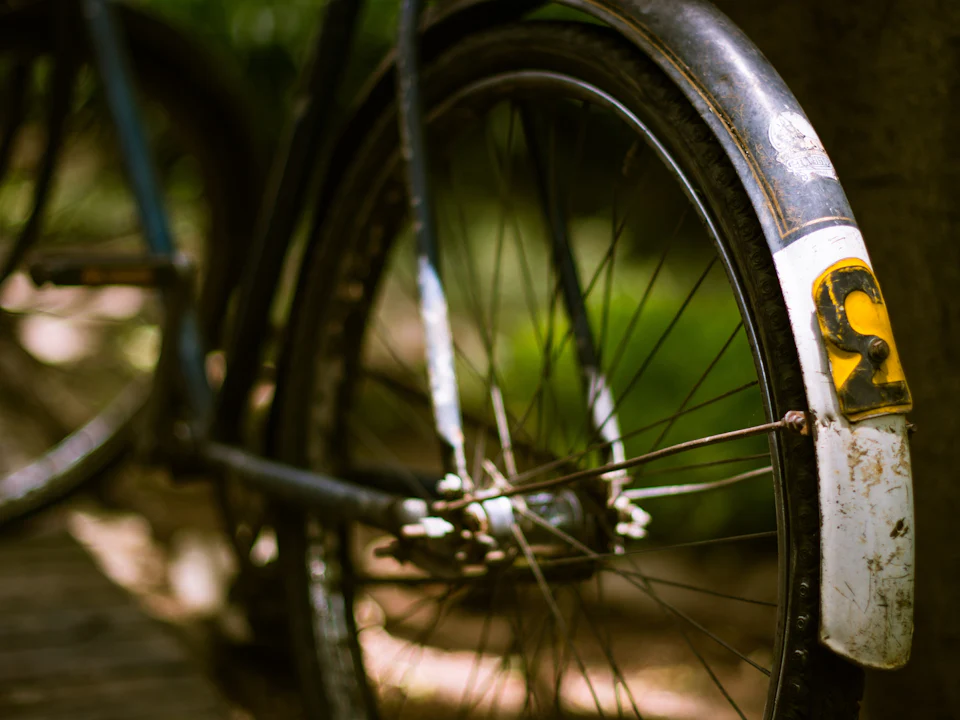
- Mudguards: in Ireland, mudguards are practically essential. They keep you drier, protect your drivetrain, and are appreciated by anyone riding behind you. Full-length guards with mudflaps are ideal.
From the road: Test your full setup on a long training ride before your first event. Everything that is going to cause problems at 400 km will start showing up at 150 km.
Mandatory Equipment
Audax events have specific equipment requirements that are checked at the start. These exist for your safety and are non-negotiable. If you do not have the required equipment, you will not be allowed to start. The full rules are on the Rules page, but here is what you need:
- Front light: a white front light is mandatory for all events. It must be mounted on the bike (not your helmet) and be bright enough to see the road ahead. For events that involve night riding, a minimum of 400 lumens is recommended. Carry a spare or backup light for longer events.
- Rear light: a red rear light is mandatory for all events. A flashing mode is fine for daytime visibility, but use a steady mode at night so drivers can judge your distance. Again, carry a spare for longer events.
- Reflective vest: a reflective vest or Sam Browne sash is required for all events of 300 km and longer. It is also required for 200 km events ridden in poor weather or darkness. Even when not mandatory, wearing one is strongly recommended. It makes you far more visible to drivers.
Beyond the mandatory items, most organisers expect you to carry a basic repair kit and enough food and water to reach the next control. Self-sufficiency is a core principle of Audax.
Navigation Options
You are responsible for your own navigation on an Audax event. The organiser provides a routesheet (a turn-by-turn description of the route) and usually a GPX file, but it is up to you to follow them. Getting lost costs time and energy, so having a reliable navigation setup is important.
GPS Devices
A dedicated cycling GPS (Garmin, Wahoo, etc.) is the most popular choice. Load the GPX file before the event and follow the breadcrumb trail. The main advantages are long battery life, visibility in sunlight, and reliability. Most units will last a full 200 km or 300 km on a single charge. For longer events, carry a power bank or use a dynamo hub.
Phone Apps
Apps like Komoot, RideWithGPS, or OsmAnd can display GPX routes with turn-by-turn directions. The downsides are battery drain, poor screen visibility in bright sunlight, and vulnerability to rain. If using your phone, mount it securely, use a waterproof case, and carry a power bank.
Paper Routesheets
The traditional method. Print the routesheet, attach it to your handlebars with a map holder or clip, and follow the written directions. Paper never runs out of battery and works in all weather. Many experienced randonneurs carry a paper routesheet as a backup even when using a GPS.
Whichever method you choose, always study the route before the event. Knowing the general direction, key turns, and control locations means you are less likely to get badly lost if your navigation fails.
What to Carry
Audax is self-supported. There is no team car, no mechanic at the roadside, and no feed stations between controls. You need to carry everything you might need to keep yourself moving, fed, and warm. The exact list depends on the distance and conditions, but here are the essentials:
- Repair kit: at minimum, a spare inner tube (two for longer events), tyre levers, a mini pump or CO2 inflator, a multi-tool, and a quick-link for your chain. A small piece of tyre boot (an old tyre section or a Park Tool boot) can save your ride if you slash a tyre. Practice fixing a puncture before your first event.
- Food: carry enough to get you to the next control, plus a reserve. Energy bars, gels, dried fruit, and sweets are compact and calorie-dense. For longer events, add some savoury options. See the Training page for more on nutrition strategy.
- Money: carry cash and a bank card. Controls are often at shops or cafes where you will buy food and drinks. Some rural shops may not accept cards, so cash is essential.
- Phone: for emergencies, navigation backup, and proof of passage (many events now use WhatsApp selfie groups at controls). Keep it charged. A small power bank is worth the weight.
- Spare layers: weather changes, especially on longer rides that span day and night. A lightweight windproof gilet, arm warmers, and a rain jacket cover most conditions. For events of 300 km and longer, add a warm base layer and full-finger gloves for the night sections.
From the road: For your first 200 km, keep it simple. Repair kit, food, phone, money, lights, and a rain jacket. You can refine your kit list as you gain experience on longer rides.
Bags and Carrying Solutions
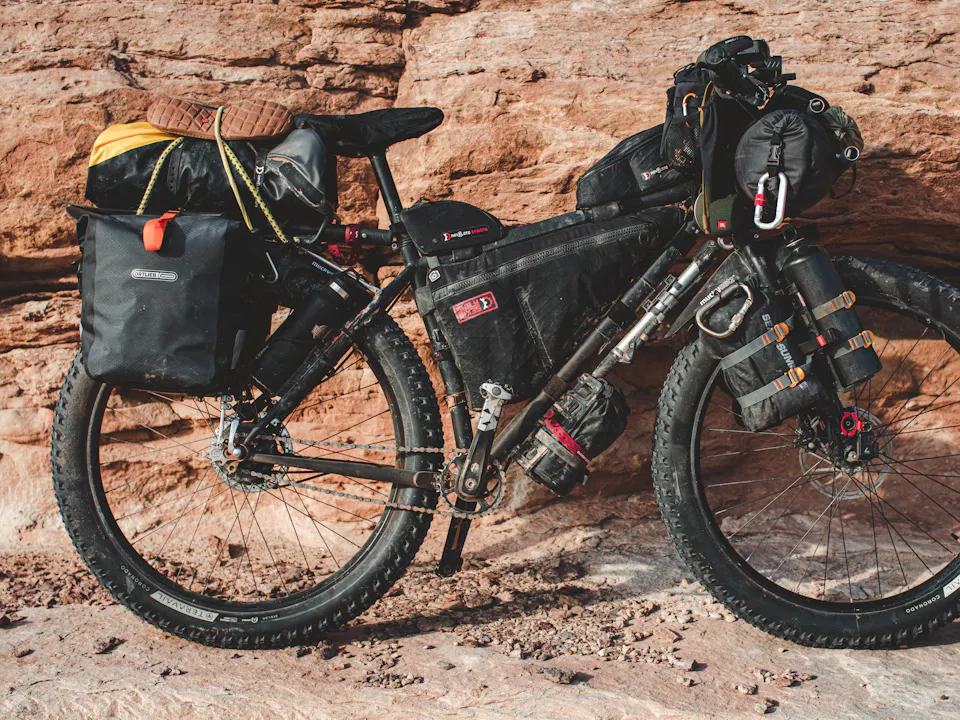
All that gear needs to go somewhere. Bikepacking and audax bag options have improved enormously in recent years. The key is to keep weight low and centred, avoid anything that swings or bounces, and make sure you can access essentials (food, phone, rain jacket) without stopping.
Saddlebag
The classic audax choice. A medium saddlebag (5 to 10 litres) fits spare layers, a repair kit, and food. Look for one that attaches firmly to the saddle rails and seatpost without swaying. Carradice and Restrap are popular brands among randonneurs.
Handlebar Bag
Great for items you need quick access to: phone, food, routesheet, camera. A small handlebar bag or roll (3 to 5 litres) keeps things within reach. Make sure it does not interfere with your lights or GPS mount.
Frame Bag
Fits in the main triangle of your frame. Good for heavier items like tools, a power bank, or extra food. A half-frame bag leaves room for water bottles. A full-frame bag maximises storage but may block bottle cage access.
Top Tube Bag
A small bag on the top tube is ideal for snacks and a phone. Easy to access while riding. Keep it compact so it does not interfere with your knees.
Jersey Pockets
Do not underestimate the classic three rear pockets. They are perfect for food, a gilet, and small items you need on the move. Many randonneurs use pockets for immediate needs and bags for everything else.
Start with what you have and refine over time. Your first 200 km can be ridden with jersey pockets and a small saddlebag. As you move to longer distances, you will learn what works for you and invest in bags that suit your setup.