Learn
About Audax

What is Audax?

What is Audax?

Audax, more formally known as randonneuring, is a form of long-distance cycling in which riders follow a prescribed route and must complete it within a set time limit. Unlike racing, there are no prizes for finishing first. The challenge is simply to finish within the allowed time. Riders are timed but not ranked, and the emphasis is on personal achievement rather than competition.

Origins

The roots of randonneuring stretch back to the late 19th century in France. The word "audax" comes from the Latin for "bold" or "daring", and the sport grew out of a culture of endurance cycling that valued resilience and self-determination. The most famous event in the sport, Paris-Brest-Paris (PBP), was first run in 1891, predating the Tour de France by over a decade. PBP remains the pinnacle of randonneuring and takes place every four years, drawing thousands of riders from around the world.

From those French origins, the sport has spread globally. Today there are active randonneuring communities on every continent, with thousands of events organised each year under the umbrella of the Audax Club Parisien (ACP) and its affiliated national organisations.

Self-Sufficiency

At the heart of Audax is a philosophy of self-sufficiency. Riders are expected to be independent on the road: navigating their own route, carrying their own supplies, and handling any mechanical issues without outside assistance. There are no team cars, no dedicated support crews, and no following vehicles. Personal support is only permitted at designated control points.

This ethos sets Audax apart from most other organised cycling events and is central to what makes it rewarding. Finishing a 600 km ride knowing you navigated, fuelled, and fixed everything yourself is a different kind of achievement from finishing a supported sportive. See the Rules page for the specific self-sufficiency requirements.

How It Works

A typical Audax event is called a Brevet de Randonneurs Mondiaux (BRM). Riders start together and must pass through a series of checkpoints, known as controls, along the route, collecting proof of passage at each one. Standard BRM distances are 200, 300, 400, 600, and 1000 km, each with a corresponding time limit. There is also a maximum average speed of 30 kph to discourage racing. This is not a race. It is a test of endurance.

Beyond BRMs, the sport includes several other ride formats: Permanents (self-organised rides on pre-approved routes you can ride any day), Flèches (team events over 24 hours), SR600s (challenging 600 km mountain routes), and more.

The Community

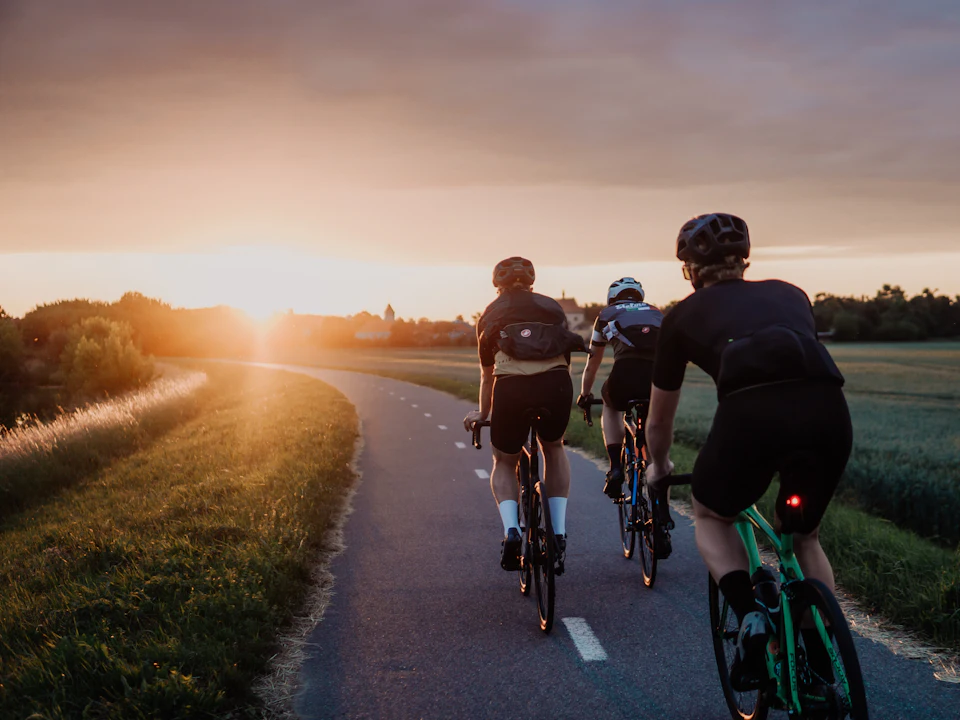
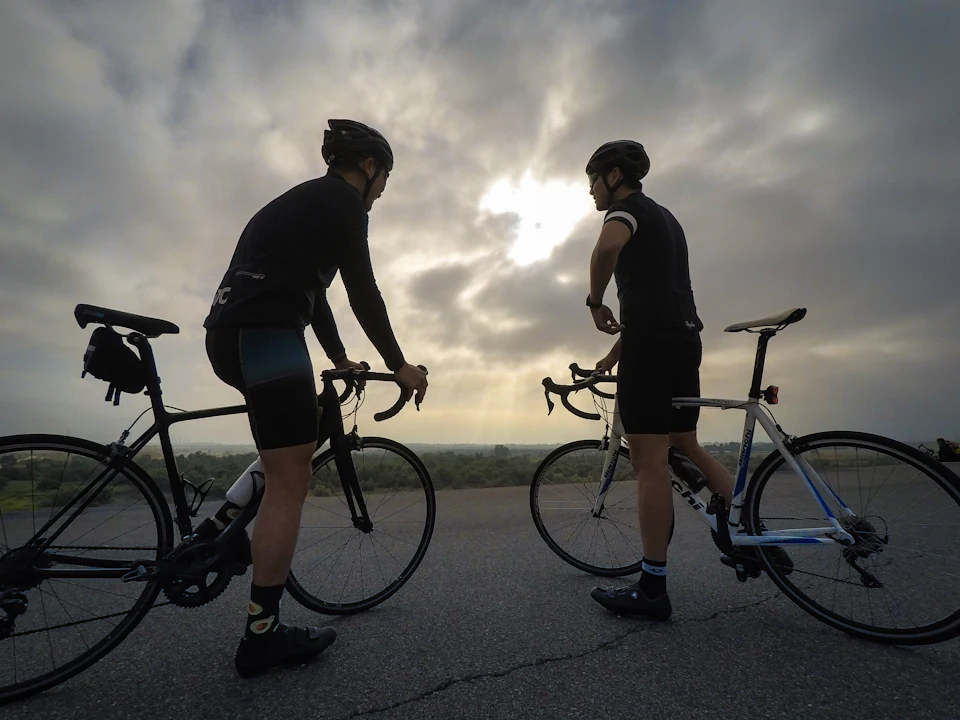
One of the things that surprises newcomers to Audax is the community. Despite being a non-competitive sport where everyone rides their own ride, there is a strong sense of camaraderie. Riders help each other on the road, share food, wait for someone with a mechanical, and swap stories at controls. The shared experience of riding through the night, battling headwinds, or pushing through fatigue creates bonds that last well beyond the finish line.

In Ireland, the Audax community is small but welcoming. Events are organised by volunteers, controls are often staffed by club members giving up their weekends, and the atmosphere at the start of a 200 km BRM on a Saturday morning is friendly and relaxed. There is no elitism. First-timers are encouraged, and experienced riders are happy to share advice.

ACP and National Organisations

The international governing body for randonneuring is the Audax Club Parisien (ACP), based in France. ACP sets the rules for BRM events worldwide, maintains the international calendar of events, and administers the homologation process that validates completed rides. ACP also organises Paris-Brest-Paris and oversees international awards such as the Super Randonneur and ACP Randonneur 5000/10000.

In each country, a national organisation operates under ACP affiliation to run local events. In Ireland, this is Audax Ireland, a volunteer-run, non-profit body that organises the Irish calendar of BRM events, maintains a network of Permanent routes, and handles award claims for Irish riders. Audax Ireland is affiliated with ACP and follows its rules and standards.

Other national organisations include Audax UK, Randonneurs USA, and equivalents in dozens of countries. Each runs their own calendar of events while adhering to ACP's international framework.

Homologation and Brevet Cards

When you complete an Audax ride, the result goes through a process called homologation. This is the official validation of your ride by ACP, confirming that you completed the prescribed route within the time limit and followed all the rules.

The key to this process is the brevet card. Before a ride, each participant receives a brevet card, a physical document that records the rider's details, the route, and the control points. At each control along the route, the rider collects a stamp, signature, or other proof of passage on their brevet card. At the finish, the completed card is submitted to the organiser, who forwards it to ACP for homologation.

  • Only homologated rides count toward ACP awards such as Super Randonneur, ACP 5000, and ACP 10000
  • The brevet card serves as the official record of your ride. Losing it means the ride cannot be validated.
  • Modern events sometimes supplement the brevet card with digital proof of passage (such as WhatsApp photo groups), but the card remains the primary record
  • Homologated results are recorded in ACP's international database, giving riders a permanent record of their achievements

ACP publishes BRM results in its rider account system. Create an account if needed, add your current and previous cycling clubs, then open My Results → BRM to see each recognised ride and its homologation number. Riders with qualifying events in the UK may also need to add Audax UK. New club details can take a few hours to refresh.

For a detailed walkthrough, read Audax Ireland's What is a BRM and How Do I Check My Results?

From the road: Confirmed rides count toward award progress while the homologation number is still missing. When ACP publishes it, edit the ride to add one number or import several results together. See the Managing Rides guide for both options.

Getting Started with Audax

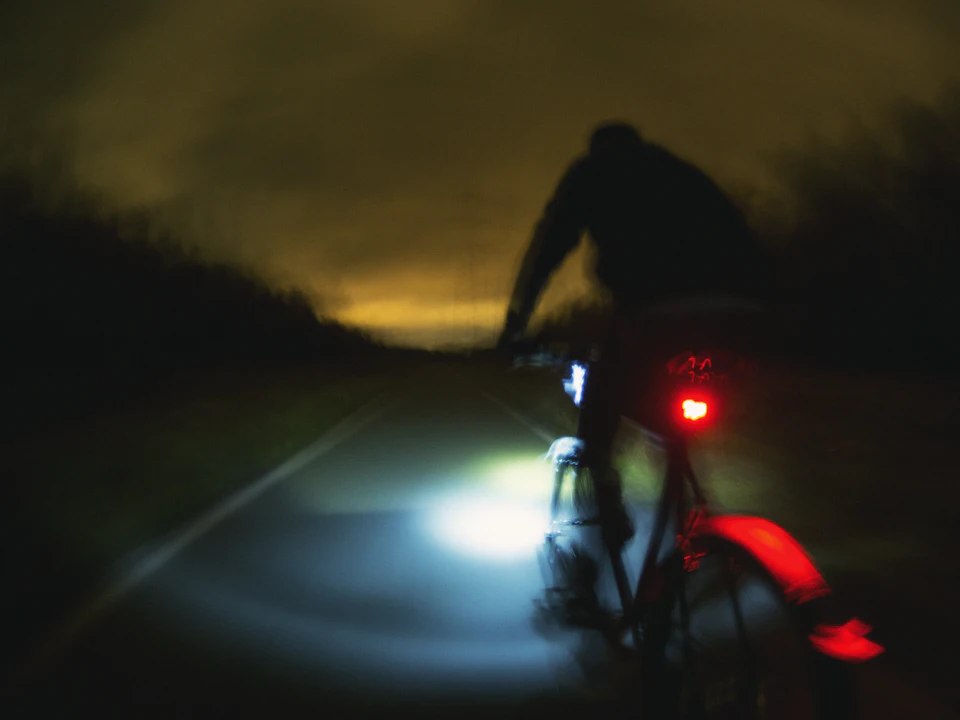
If you are new to Audax, the best way to start is to ride a 200 km BRM. Check the Audax Ireland calendar for upcoming events, register, and turn up. You do not need any special equipment beyond a roadworthy bike, lights, and a reflective vest. See the Rules page for insurance requirements and the Gear page for equipment recommendations.

If 200 km feels like a big step, consider starting with a Brevet Populaire (BP), a shorter event under 200 km designed as an accessible introduction to the format. Once you are comfortable with the format, step up to a 200 km and start building toward your first Super Randonneur series.