How Audax is run
Where randonneuring came from, the formats it takes, who sets the rules, and how a finished ride becomes an official result.
Origins
The roots of randonneuring stretch back to the late 19th century in France. The word "audax" comes from the Latin for "bold" or "daring", and the sport grew out of a culture of endurance cycling that valued resilience and self-determination. The most famous event in the sport, Paris-Brest-Paris (PBP), was first run in 1891, predating the Tour de France by over a decade. PBP now takes place every four years, drawing thousands of riders from around the world.
From those French origins, the sport has spread globally. Today there are active randonneuring communities on every continent, with thousands of events organised each year under the umbrella of the Audax Club Parisien (ACP) and its affiliated national organisations.
How it works
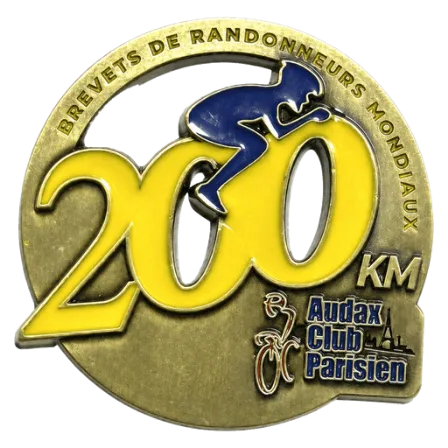
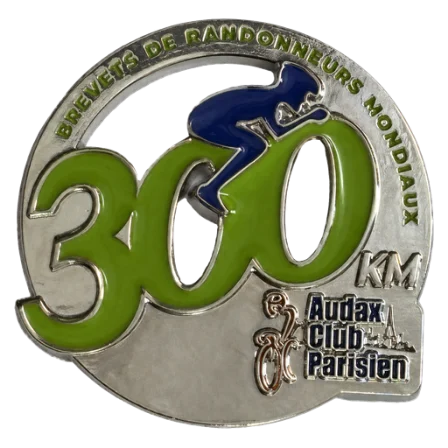
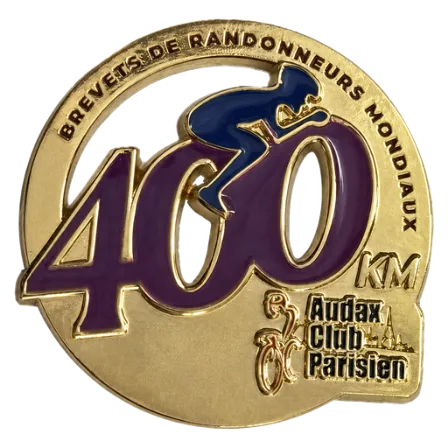
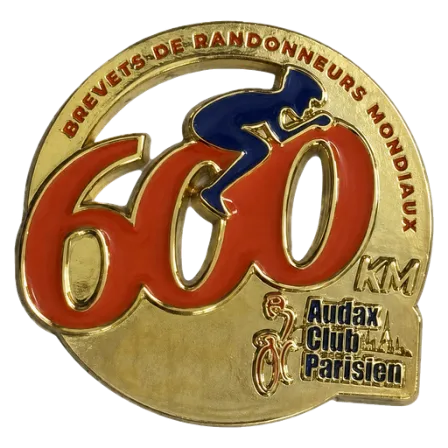
A typical Audax event is called a Brevet de Randonneurs Mondiaux (BRM). Riders start together and must pass through a series of checkpoints, known as controls, along the route, collecting proof of passage at each one. Standard BRM distances are 200, 300, 400, 600, and 1,000 km, each with a corresponding time limit. The finishing deadline includes all stops. Intermediate control times are advisory under current ACP BRM rules, but proof of passage is still required.
Beyond BRMs, the sport includes several other ride formats: Permanents (self-organised rides on pre-approved routes you can ride any day), Flèches (team events over 24 hours), SR600s (challenging 600 km mountain routes), and more.
ACP and national organisations
The international governing body for randonneuring is the Audax Club Parisien (ACP), based in France. ACP sets the rules for BRM events worldwide, maintains the international calendar of events, and administers the homologation process that validates completed rides. ACP also organises Paris-Brest-Paris and oversees international awards such as the Super Randonneur and ACP Randonneur 5000/10000.
In each country, a national organisation operates under ACP affiliation to run local events. In Ireland, this is Audax Ireland, a volunteer-run, non-profit body that organises the Irish calendar of BRM events, maintains a network of Permanent routes, and handles award claims for Irish riders. Audax Ireland is affiliated with ACP and follows its rules and standards.
Other national organisations include Audax UK, Randonneurs USA, and equivalents in dozens of countries. Each runs their own calendar of events while adhering to ACP's international framework.
Homologation and proof of passage
When you complete an Audax ride, the result goes through a process called homologation. This is the official validation of your ride by the body responsible for its format. ACP validates BRMs and PBP, Les Randonneurs Mondiaux validates other 1,200 km and longer events, and national organisations validate their own permanents.
The key to this process is proof of passage: evidence that you passed each control on the route. On most Audax Ireland events, you post a photo of yourself at each control to the ride's WhatsApp group. Busier rides, and big international events such as PBP, use a brevet card instead, a card listing your details and the controls that is stamped or signed at each one and handed in at the finish. The organiser checks everyone's proof and submits the BRM results through the local ACP representative for homologation.
- Only homologated rides count towards ACP awards such as Super Randonneur, ACP 5000, and ACP 10000
- Where a brevet card is used, it is the record of your ride, so keep it safe until you hand it in
- The organiser emails you your homologation number once the result comes back. See entering an event for the whole process, from licence to homologation
- Homologated results are recorded in ACP's international database, giving riders a permanent record of their achievements
ACP keeps every homologated BRM in a free rider account, where you can look up your homologation numbers whether or not the organiser sends them on.
Checking your results walks you through it step by step.
From the road: Confirmed rides count towards award progress while the homologation number is still missing. When ACP publishes it, edit the ride to add one number or import several results together. See the Managing Rides guide for both options.
Related topics
Sources and further reading